
EPAL WOODEN PALLETS – AT HOME IN THE CIRCULAR ECONOMY
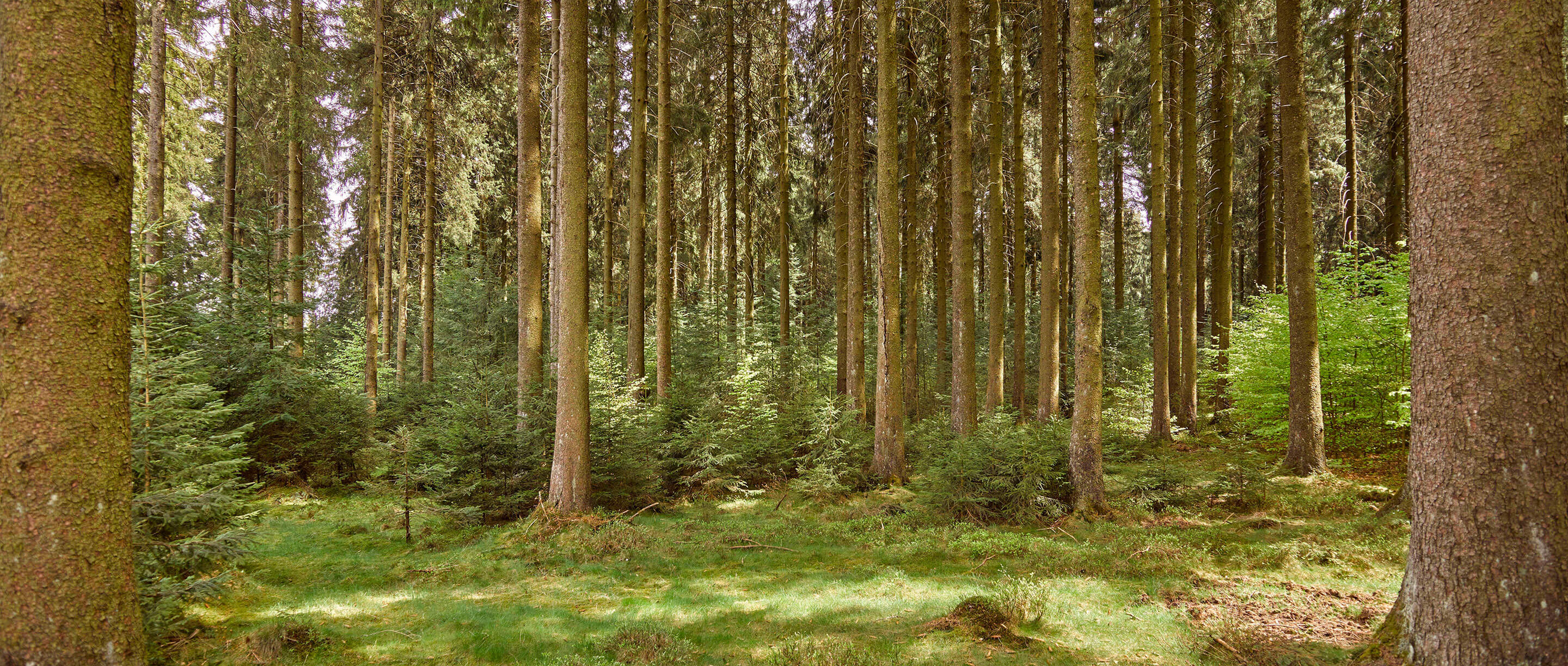
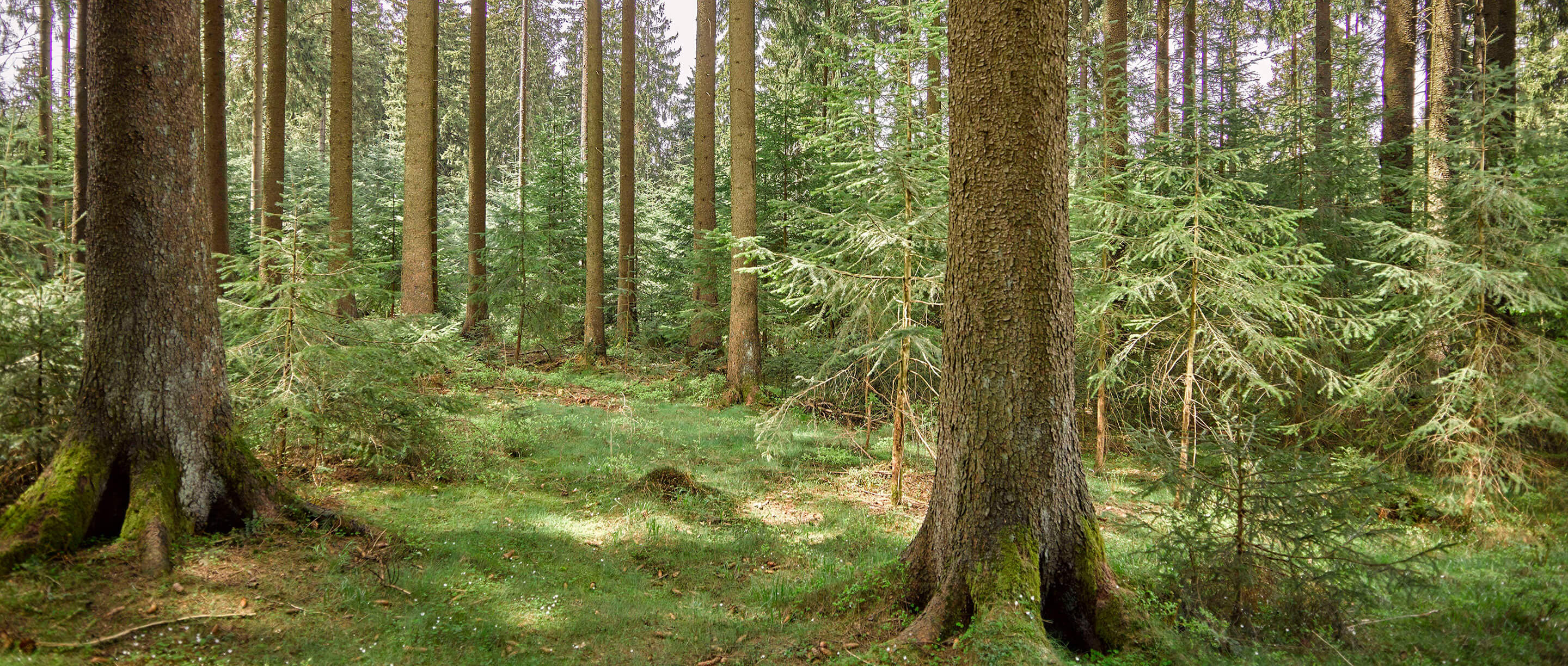
EPAL consistently uses environmentally responsible materials for its products. Almost all EPAL pallets components are made from wood, a renewable raw material. As trees grow, they absorb CO₂ from the atmosphere and store the carbon contained in it in the wood. The wood used in an EPAL pallet has absorbed around 30 kg of CO₂ from the atmosphere during the tree’s growth. The carbon remains stored in the wood throughout the pallet’s service life.*
Thanks to their standardised quality, exchangeability and repairability, EPAL pallets can be used for many cycles. The EPAL open pallet pool supports reuse: EPAL pallets that remain fit for use can continue to circulate within the pool, while damaged pallets can be repaired in accordance with the EPAL specifications.
EPAL Box pallets are also designed for long-term, repeated use and can be professionally repaired if damaged.
Key Environmental Facts
- The wood used in an EPAL pallet absorbed around 30 kg of CO₂ from the atmosphere during the tree’s growth.*
- The carbon contained in the wood remains stored throughout the pallet’s service life.*
- EPAL pallets are designed for multiple use.
- EPAL pallets can be repaired in accordance with EPAL specifications and subsequently reused.
- The EPAL open pallet pool enables the exchange and reuse of wooden pallets.
* Source: Bundesverband Holzpackmittel, Paletten, Exportverpackung e. V. (HPE), “Ökobilanz" (Life Cycle Assessment). The figure refers to the CO₂ absorbed during tree growth and the resulting storage of carbon in the wood used. It does not constitute a claim regarding avoided emissions or the carbon neutrality of an EPAL pallet.